
The Return of the Retail Flagship
And why it might make more sense than a pop-up.
Originally posted on my Retail is Alive Substack in May 2025.
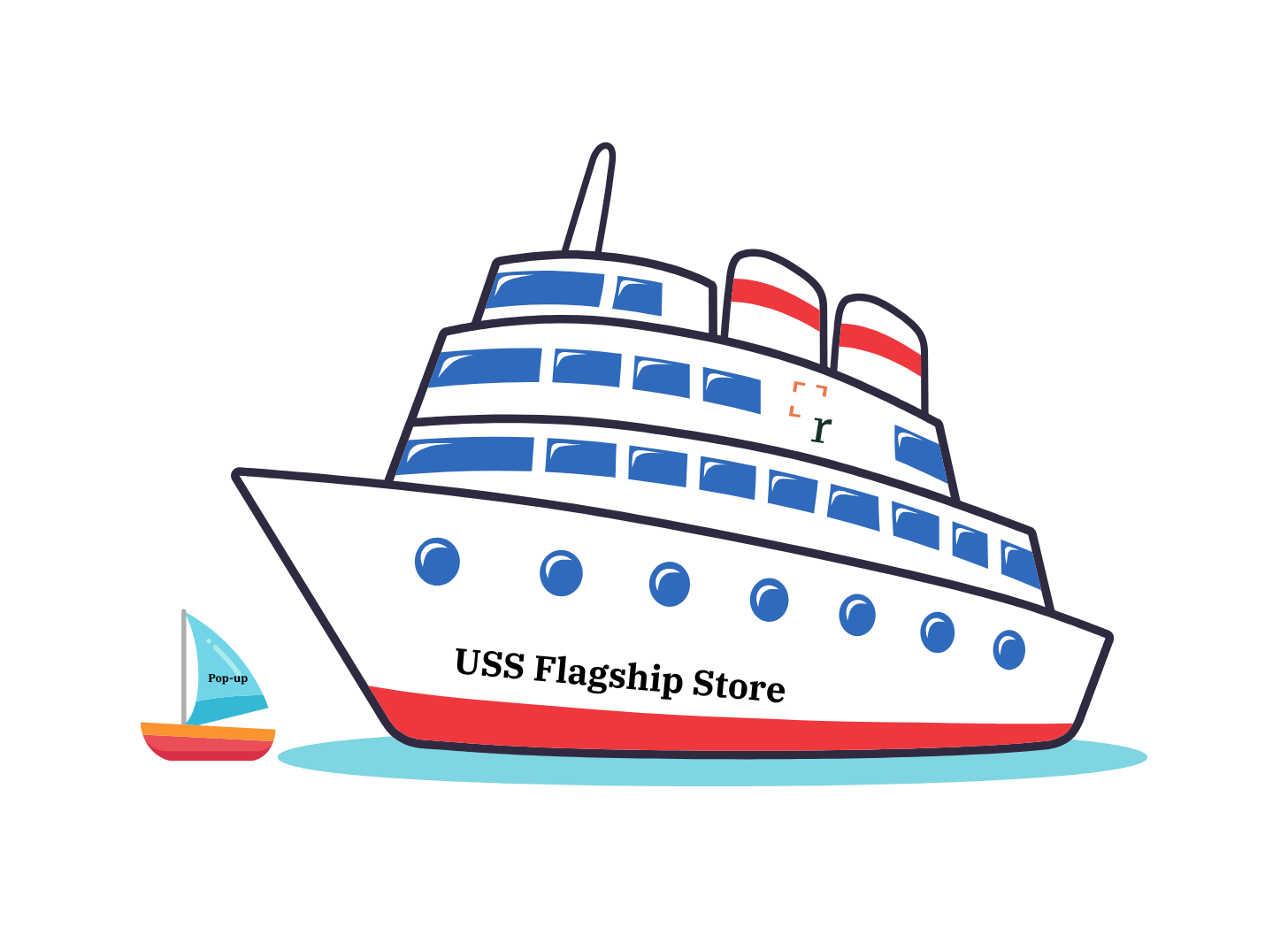
Like a cruise ship, a full-blown flagship store can take a while to come up to speed. But once it does, it’s difficult to stop it.
The Return of the Retail Flagship
After more than 20 years in this retail game, much like fashion, I’ve learned that everything that’s old is new again–if you wait long enough. I’ve previously written a bit about the retail pop up phenomenon (perhaps more is coming…stay tuned) and I’ve been known to blame Warby Parker and its famous Class Trip for this idea that every brand has to first do a series of pop-ups before opening a “permanent” retail store. But recently, I’ve been seeing more and more brands skipping this short-term test in favor of long-term (that’s a 5+ year lease to most brands) flagship commitments–and I am here for it.
Why is this? Isn’t diving right into a flagship store unwise or reckless or both? What if the store fails and the brand is stuck in a long-term lease?
The above are good questions to ask and depending on where a brand is in its age and growth, the answer could be yes or no to any of these. For brands that have an established customer base and brand awareness, have sold irl through partnerships, shop-in-shops or wholesale, and have the capital, not wasting time and precious dollars on a smaller, shorter, more chaotic version of a retail environment could be the best strategy.
Since I spent the start of this newsletter discussing the rising cost of store buildouts, let me now make the case for the retail flagship–even with those added cost implications.
Build brand equity and long-term loyalty. The physical appearance of a branded, thoughtful retail environment raises both brand awareness and brand affinity for consumers. It’s difficult to run a customer engagement strategy on a temporary basis, but having a long-term location allows a brand to test events, partnerships, and personalization services. While some learnings about customer behavior can be gleaned from short-term activations, the real connection happens when a brand is able to interact with customers and build a long-term relationship.
Customers experience more operationally efficient environments. Oftentimes with pop-ups, brands have very little time to throw something together–design, fixtures, training, staffing, etc. And customers can tell. The very nature of a short-term activation is chaotic. But building a store that will be there for 5+ years allows brands to slow down, think through design, create SOPs, be selective about hiring, and create customer experience training. Each of these elements should be thought through for any retail environment, no matter the term, but in reality they often get skipped or haphazardly thrown together for a shorter-term store.
Penetrate the market and follow the data. Perhaps the most important difference between flagships and short-term retail is the depth and accuracy of the data that brands can gather. While a short-term activation will tell brands some things about customer purchasing behavior, traffic patterns, conversion rates, etc, a retail store that is open for less than 12 months really can’t tell you how that store will perform long-term. With flagship retail, you can detect patterns in seasonality, shifting demographics in the market, respond to customer demand and trends, and generally become faster and smarter at tweaking the experience, product mix and local marketing to achieve success.
Of course, there are many more reasons why brands are opting for less pop ups and more permanent flagships so I’ve made a summary table with a few more comparisons so that this newsletter doesn’t become egregiously long…
| Factor | Flagship (5–7+ yrs) | Pop-Up (6–12 mo) |
|---|---|---|
| Brand Positioning | Premium, committed | Trend-driven, temporary |
| Customer Perception | Trustworthy, invested | Fun, experimental |
| Store Design | Custom-built, immersive | Modular, budget-capped |
| Cost Over Time | High upfront, cheaper long-run | Low upfront, pricier monthly |
| Operational Stability | Trained staff, local know-how | High turnover, rushed training |
| Loyalty Building | Drives repeat traffic | Hard to retain post-launch |
| Data & Insights | Long-term, actionable | Short-term, anecdotal |
| Omnichannel | Full BOPIS, ship-from-store | Limited fulfillment |
| Marketing ROI | Compounds over time | Flashy, short-lived |
| Press & Partnerships | Long-lead storytelling | Launch and holiday hits |
| Real Estate Leverage | Better terms over time | Pays a premium for flexibility |
| Expansion Potential | Regional hub, fuels rollout | Standalone, one-off |
| Online Sales Impact | Lasting regional lift | Short spike, fades |
| Exit Flexibility | Low — long commitment | High — test and exit |
Pop-ups are flashy—and they have their place—but they rarely build the kind of long-term brand equity that a flagship store can. A flagship is a statement. It's not just about selling product; it's about owning the narrative, controlling the experience, and anchoring your brand in a physical, permanent way. While pop-ups can generate short-term buzz, flagships create lasting value. They drive repeat traffic, deepen customer loyalty, and serve as a cultural home base. If you’re playing the long game, a flagship isn’t just worth it—it’s necessary.
Did you know:
While we most often work with brands as new store execution partners, rekon Retail recently started offering advisory and strategy services for brands that:
Are curious about what it would take to open a retail store.
Want to expand their current retail footprint but are uncertain where to start.
Would like to value engineer their current store buildouts.
Have a thought-partner that’s “been there, done that” in all facets of retail store openings.
If this is you (or if you’re ready to dive right in and need an execution partner), check out our services or book a time to chat.
